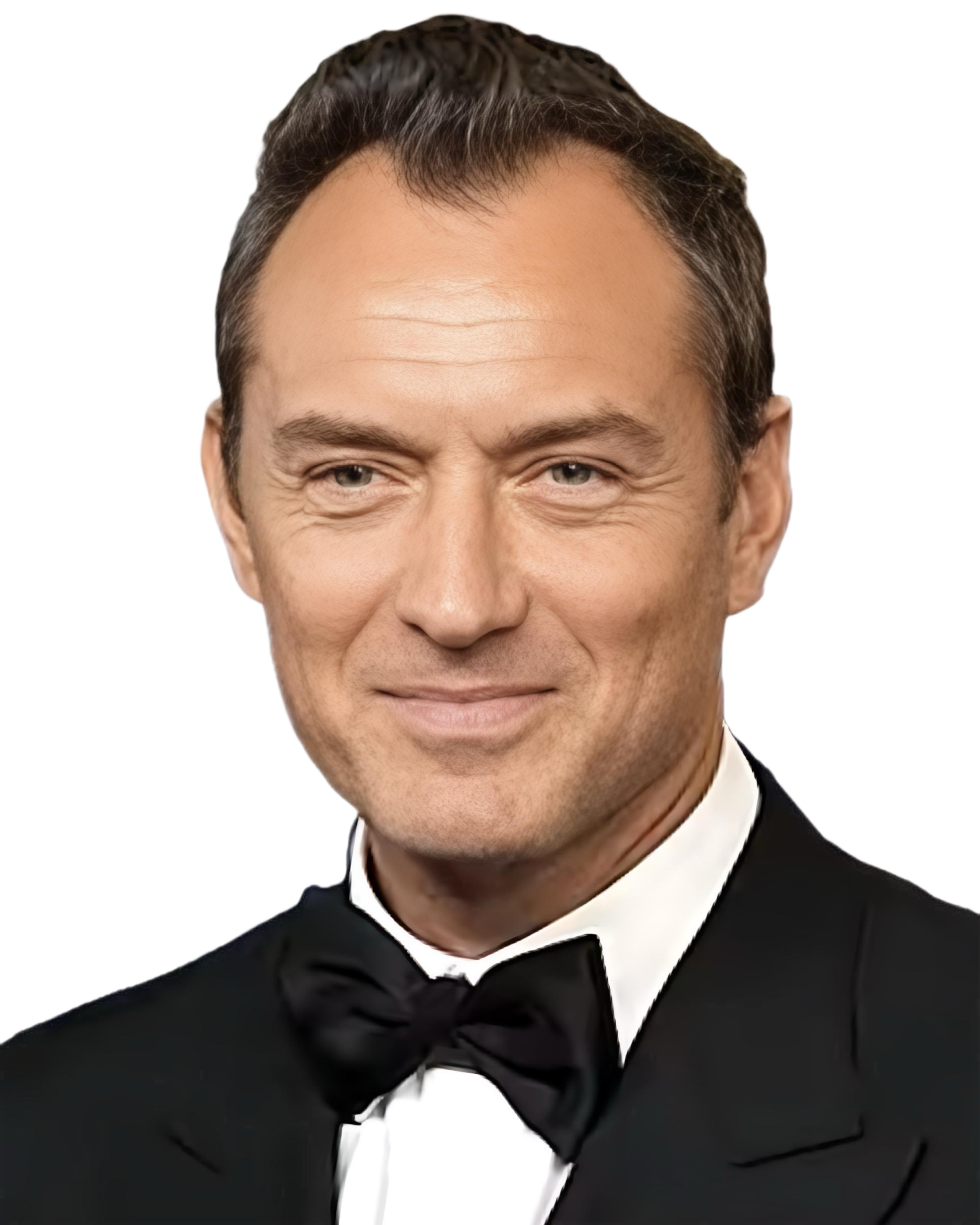
“Why wouldn’t you want to work with Vladimir Shcherban? He is a creative colossus. Ours is a community of shared experience and perspective, Vladimir has a unique approach a unique voice and the tools to Inspire both in performers and audiences alike.”— Jude Law, acclaimed British actor
"There is no question that Vladimir Shcherban is a visionary creative force in European theatre and if he is not as widely known as he should be that's partly owing to the difficult economic climate for creating new work in the so-called 'free West' and partly the discreetly uncompromising nature of his approach, which makes much contemporary theatre seem dilettante. I've reviewed a handful of his shows under the Belarus Free Theatre banner and they've been exemplary in their daring, unalloyed artistry and almost visceral sense of urgency and connection - witness the fiercest staging of Sarah Kane's 4.48 Psychosis I've ever had the good fortune to see. His vital involvement with Belarus Free Theatre alone is sufficient to pay him serious attention but his subsequent projects exist in a rare space of artistic bravery and keen inquiry.”— Dominic Cavendish, Daily Telegraph theatre critic.
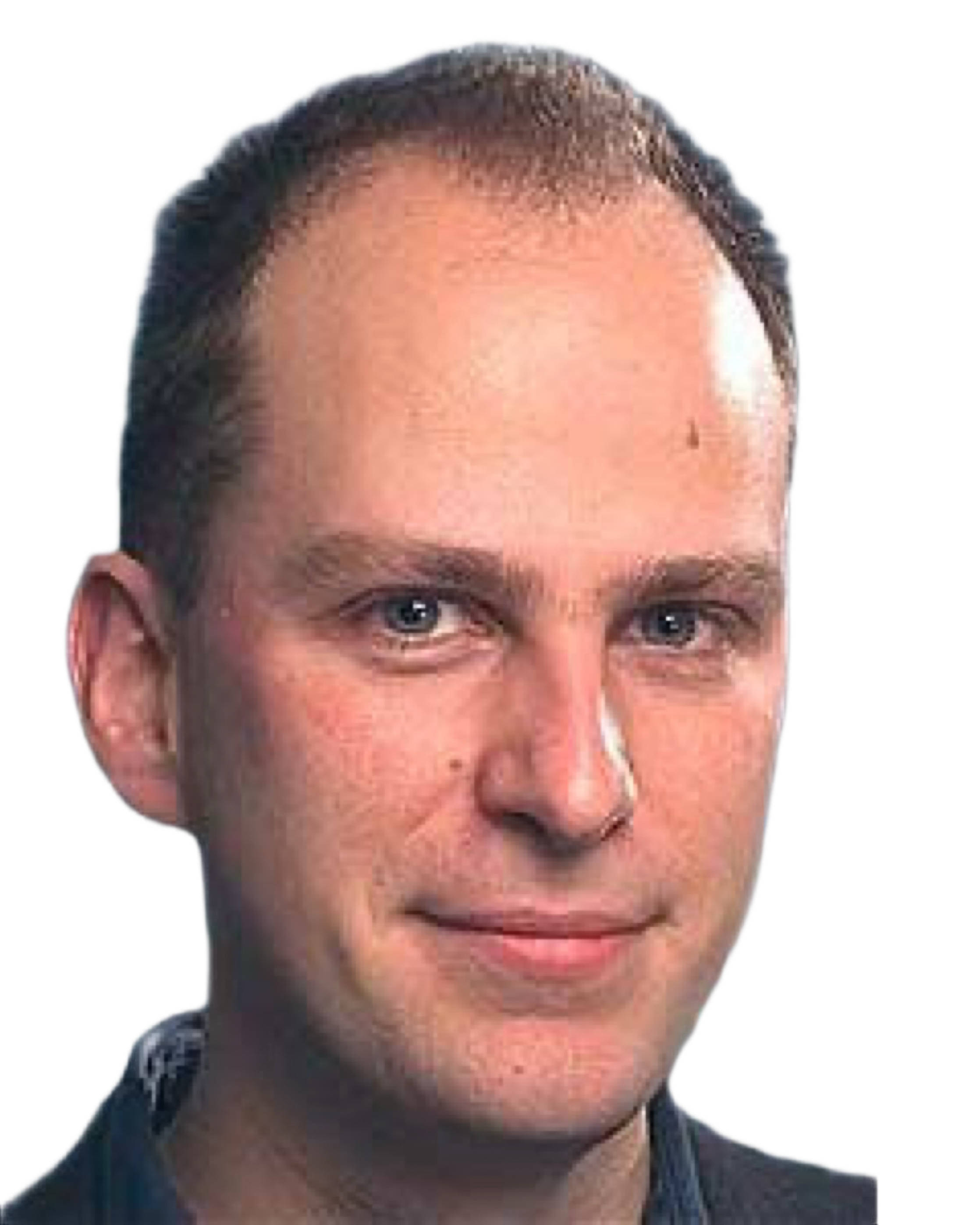

“Vladimir Shcherban is, I believe, a theatre maker of extraordinary talent and skill. I first met Vladimir over twenty years ago at the Neue Stucke Aus Europa festival, where his work had been selected for its outstanding contribution to new European theatre. I then visited Belarus to see the work of the Free Theatre, work of outstanding excellence created under the severe repression of a dictatorship. Once Vladimir relocated to London, I was able to see his brilliant work with the writings of Harold Pinter and to discuss this myself with Pinter, who spoke to me about his admiration for Vladimir’s work. In recent years, I have followed Vladimir’s work with English actors and have been excited to see his developing vision as a director and teacher. I am happy to recommend Vladimir as a theatre maker and teacher.”— Mark Ravenhill, an English playwright, actor and journalist.

“The work of Vladimir Shcherban, through its brilliance, despite the tragedy of the early framework for the Belarusian artist in our time, has flashed into a Western Europe that mourns its century of great and visual theatre artists special to the European experience, from Peter Brook to Tadeusz Kantor. Vladimir Shcherban is a brilliant young survivor bridging our two centuries, not only vitally showing us a live Belarusian theatre creativity and writing but he is a hero of a bridge between the confusion of the Russian legacy of greatness in theatre through the twentieth century, despite all, and the need for strong and clear witnesses of that pathway. His work in London has upheld this and he is uniquely suitable for the planned international symposium at La Mama.” — David Gothard CBE, former artistic director of Riverside Studios, London(UK)
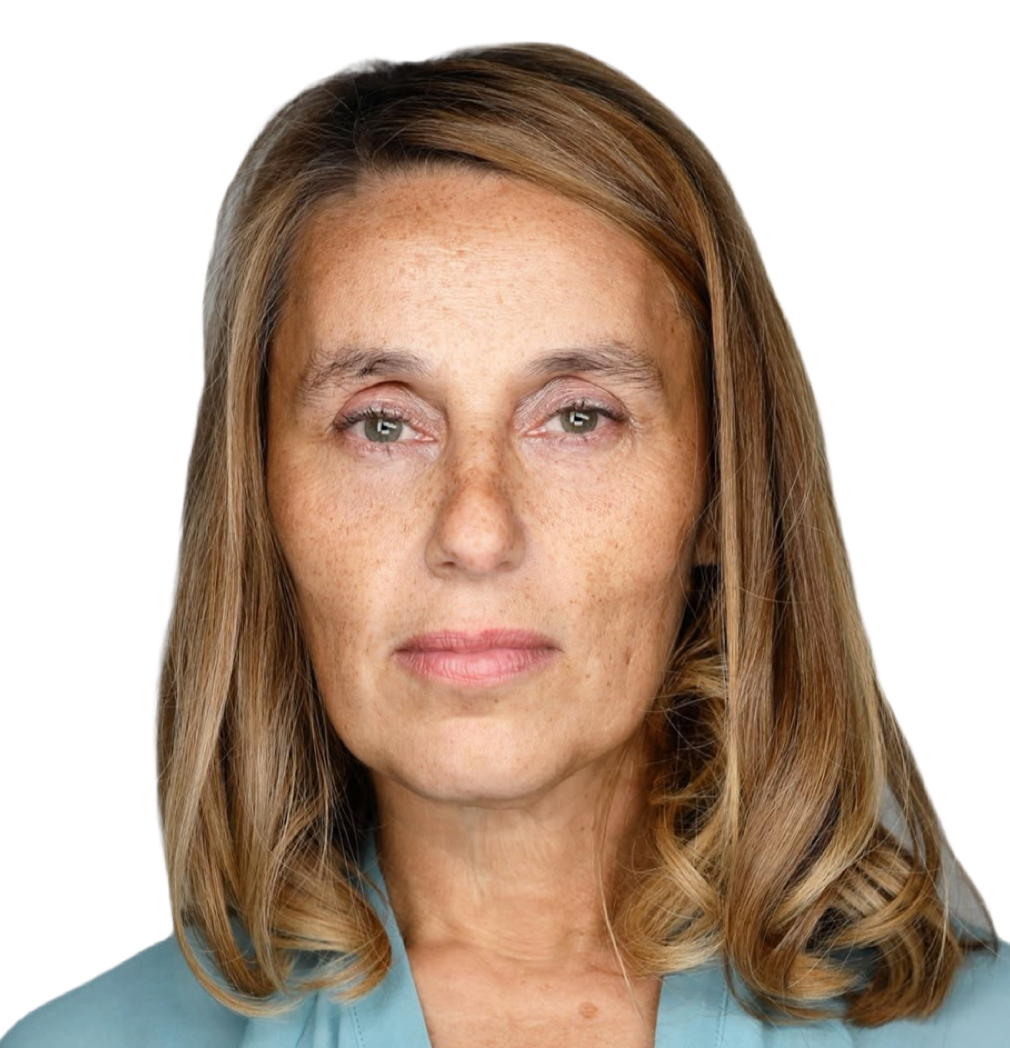
“The first time I saw Vladimir’s work was his energetic production for HUNCH Theatre of A Hero of Our Time, I think in the basement of a London nightclub. Although I loved the novel by Mikhail Lermontov when I first read it, aged 15, I was also annoyed by the protagonist, the “superfluous man”, who broke a young girl’s heart for no reason. It reminded me of the line in Johnny Cash’s song – “I shot a man in Reno, just to watch him die...” This adaptation, which morphed the 19th Russian classic with London Street slang and pop culture, perfectly captured the complex, destructive, and magnetic personality of the hero Pechorin. He was contemptuous of other people but also despised himself and that came across very strongly in the direction and the acting.
More recently I saw Shcherban production of a new play by Tatyana Movshevich, One Day It Will Happen loosely based on her own family and performed at London’s Pushkin House. He pays close attention to the text, the beats, the punctuation and avoids over dramatising it. I would say his direction is both nuanced and precise with a great deal of emotional depth.
I am also a big fan of Shcherban’s immersive art and his reimagined classical paintings when he dresses himself up to mirror famous artworks. He started the project in Covid and his visual ingenuity is often breathtaking.” — Lucy Ash, author and journalist

"Vladimir Shcherban is a truly great and visionary theatre director. Over the past few years I've been fortunate enough to work closely with him and witness how he creates extraordinarily powerful and moving stage images that seem to penetrate right into the subconscious — whether working with a single actor on an almost bare stage, as in Inna Goncharova's The Trumpeter at the Wiesbaden Staatstheater and London's Finborough, or with a vast cast on an epic scale. You can see his mastery of the intimate power of spectacle even in the remarkable online recreations of art masterpieces he makes in his own home, using only his body, make-up and a few props. But it is in his theatre productions that his deeply compassionate insight into the human psyche comes to the fore, whether in Lermontov's Hero of Our Time or Maxim Dosko's Insula. He was a pioneering force behind the legendary Belarus Free Theatre, receiving international acclaim with award winning productions, but his opposition to the regime cost him his home and his country. He now lives in exile in London, where he is quietly forging a new and remarkable artistic life — and we are lucky to have him here.” — John Farndon, a British writer, poet and translator.

"Among the most daring and imaginative contemporary European directors, Vladimir Shcherban stages vital and compelling performances exposing the deceptions and abuses of power that have marked our era. Featuring striking images and haunting, symbolic revelations, his theatre reveals our need for community and care in this age of violence, terror, and repression with dissonance and musicality. Due to his extensive creative achievements and international acclaim, he became a necessary and central voice in my book, Belarusian Theatre and the 2020 Pro-Democracy Protests: Documenting the Resistance (2024)." — Valleri Robinson, University of Illinois Urbana-Champaign (US)

“Apparently, Vladimir Shcherban is one of the most significant figures in the landscape of modern Belarusian theatre, without whose contributions it is impossible to imagine the field's history as a whole. Shcherban started his career in the Janka Kupala National Theatre, the most prestigious state theatre in Belarus. From the outset, he was recognised as a gifted and promising director by the official theatre community. However, it was not enough for Shcherban merely to stage what was possible under the conditions of traditional, literary-based theatre, in a country with a particular political climate characterised by censorship and restrictions on freedom. Together with a group of actors who shared his vision, he staged several productions based on contemporary drama – such as Jana Rusakevich's 'Nalu' (2004), Mark Ravenhill's 'Some Explicit Polaroids' (2004) and Sarah Kane's 4.48 Psychosis (2005) – to approach new topics and forms of theatrical representation.
In 2005, Shcherban was invited to join the Belarusian Free Theatre (BFT) which was first launched as a contemporary drama competition and became its leading theatre director for years. '4.48 Psychosis' was the first official production of BFT. Because of his collaboration with BFT and his civic position, he was forced to leave the Janka Kupala National Theatre. Under his leadership, the following legendary performances by BFT were produced: Being Harold Pinter (2006), Zone of Silence (2008), Minsk, 2011: A Reply to Kathy Acker (Fringe First Award Winner 2011), Merry Christmas, Ms Meadows (2013), Central Store (2016) and many others.
Shcherban is an active promoter, and in some cases even a pioneer in the development of such directions in the Belarusian theatre as New Drama, verbatim theatre, physical theatre, corporal theatre, political theatre (beyond merely the theatre of politics), documentary theatre articulating topics that were publicly taboo in the country – homosexuality, suicide, human rights, political violence, the diverse body. Based on various theories of an interdisciplinary approach, Shcherban developed his method of actor training, which helps actors become co-authors of performances – a method that became central to BFT's entire activity. Leaving the project in 2018, Shcherban remains active in the field, focusing on non-commercial theatre formats, with particular attention to interdisciplinary and transcultural approaches.”— Tania Arcimovich (Belarus / Germany), scholar, author, curator, PhD in Philosophy (Applied Theatre Studies)
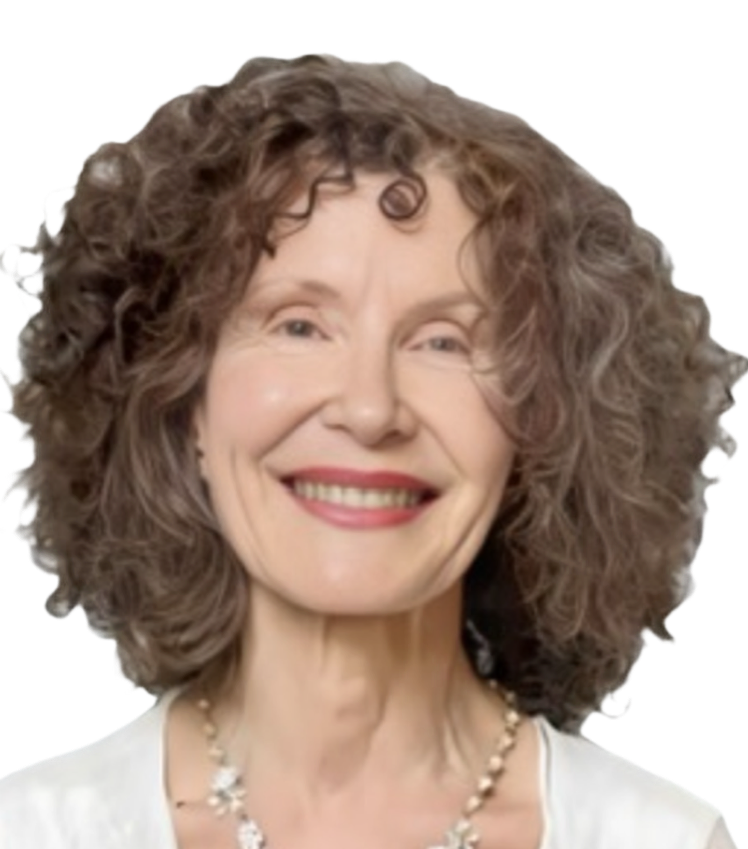
“I have found working with Vladimir Shcherban fantastically liberating. Vlad opens up the physical dimension of a text like no one else, he makes you think on your feet, he's daring and provocative and endlessly creatively resourceful. And he takes you with him. You go down surprising pathways, with unexpected destinations. I've worked with immensely talented theatre practitioners before, but Vlad operates on a new, spectacularly creative level. I think he's probably a genius.” — Kristin Milward, acclamed British actress

“The first time I saw Vladimir Shcherban’s production of 4.48 Psychosis I was completely shaken. I had never experienced theatre that felt so honest, raw, and fearless. It wasn't a performance happening somewhere on a stage—it felt as if the actors were speaking directly to each person in the audience. The impact was so powerful that I sat in silence for a long time afterward, unable to speak. In that moment, I knew I wanted to work with this director one day.
Vladimir is the most talented and creative director I have ever worked with. I took part in 16 performances directed by Vladimir, which were highly praised by critics and audiences and toured across five continents. His process is an extraordinary journey of discovery, constantly challenging actors to go deeper, take risks, and uncover parts of themselves they never knew existed. The work is demanding, but it is exactly this challenge that helps you grow. He has a unique gift for creating powerful theatrical worlds through simplicity, where every detail has meaning and every choice serves the story. Working with Vladimir has been one of the most inspiring and transformative experiences of my career. — Maryna Yakubovich, former leading actress of the Belarus Free Theatre. Lecturer at the Thomas Bernhard Institute, Mozarteum University Salzburg.

“In November 2021 Vladimir directed a staged reading of my debut play 'One Day It Will Happen'. Working with him on that was one of the best creative experiences of my life. What I appreciate about Vladimir's direction is how well he feels the text. I don't think we ever discussed the meaning behind any particular phrase - it was just clear that he was within the world of my play. The characters that until then had only lived inside my head were suddenly transferred to the stage (in our case it was just a simple big room) and Vladimir did it masterfully and with few means. At times his direction seemed almost musical. During rehearsals I thought that he engaged with the rhythm of the play as if it was a musical piece.
Later I saw another play he directed called 'Pass the Hat' - it was written by abrilliant British playwright Oliver Bennett. I found myself immersed in its atmosphere and its quiet narration. At the beginning the story appeared to be fairly simple but over time I returned to it several times. Will the main character ever find all the answers about his grandfather? For those couple of hours it was really important not just to him, but to me too.”—Tatyana Movshevich, plawright, documentary and podcast maker

“I participated in Vladimir Shcherban’s workshop in London in 2013. His workshop gave me an extraordinary amount of creative energy. Every time atask was presented, ideas kept pouring out of me — so much so that I could hardly sleep at night from excitement.
Years later, during the pandemic, when I launched my YouTube channel, I found myself returning to what I had learned in Vladimir’s workshop. His approach to theatre — transforming lived experience into stories that can truly reach people — became a foundation for how I tell stories through video.
In today’s world, shaped by social media algorithms and increasingly permeated by AI, I feel that what I learned from Vladimir Shcherban was not merely a theatrical technique, but one of the last places where our humanity can still be protected”. — An Japanese actor/YouTuber Mittsun (FutariPapa)

"Working with Vladimir Shcherban completely changed the way I thought about theatre. Drawing on his training, imagination and wide experience, Vladimir is able to push the boundaries of what theatre can be. I can guarantee that any prospective theatre-maker - actor, writer, director - will have their practice greatly enhanced by his workshop. It will inspire you to think about the box and push you to achieve things you never thought possible." - Oliver Bennett, English actor and playwright, winner of the Mercury Playwriting Award